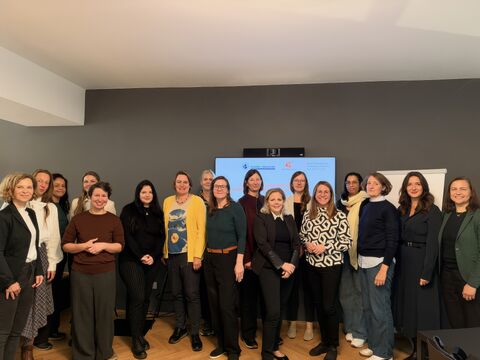
 Photo credit to Austrian Energy Agency
At the Energy Breakfast hosted by the BMIMI and the Austrian Energy Agency, women experts discussed how the energy transition can succeed when technology, the economy and people are considered together.
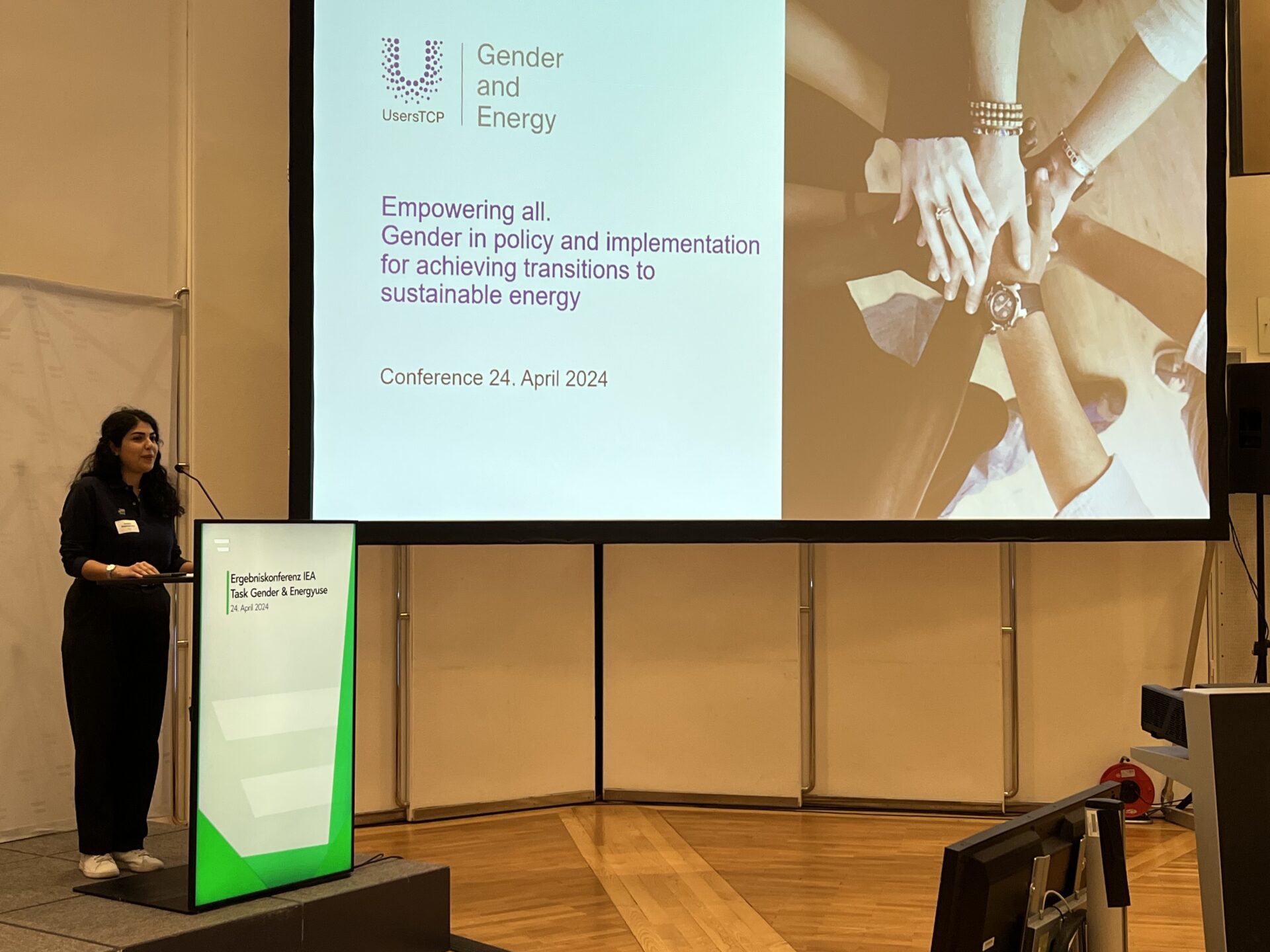
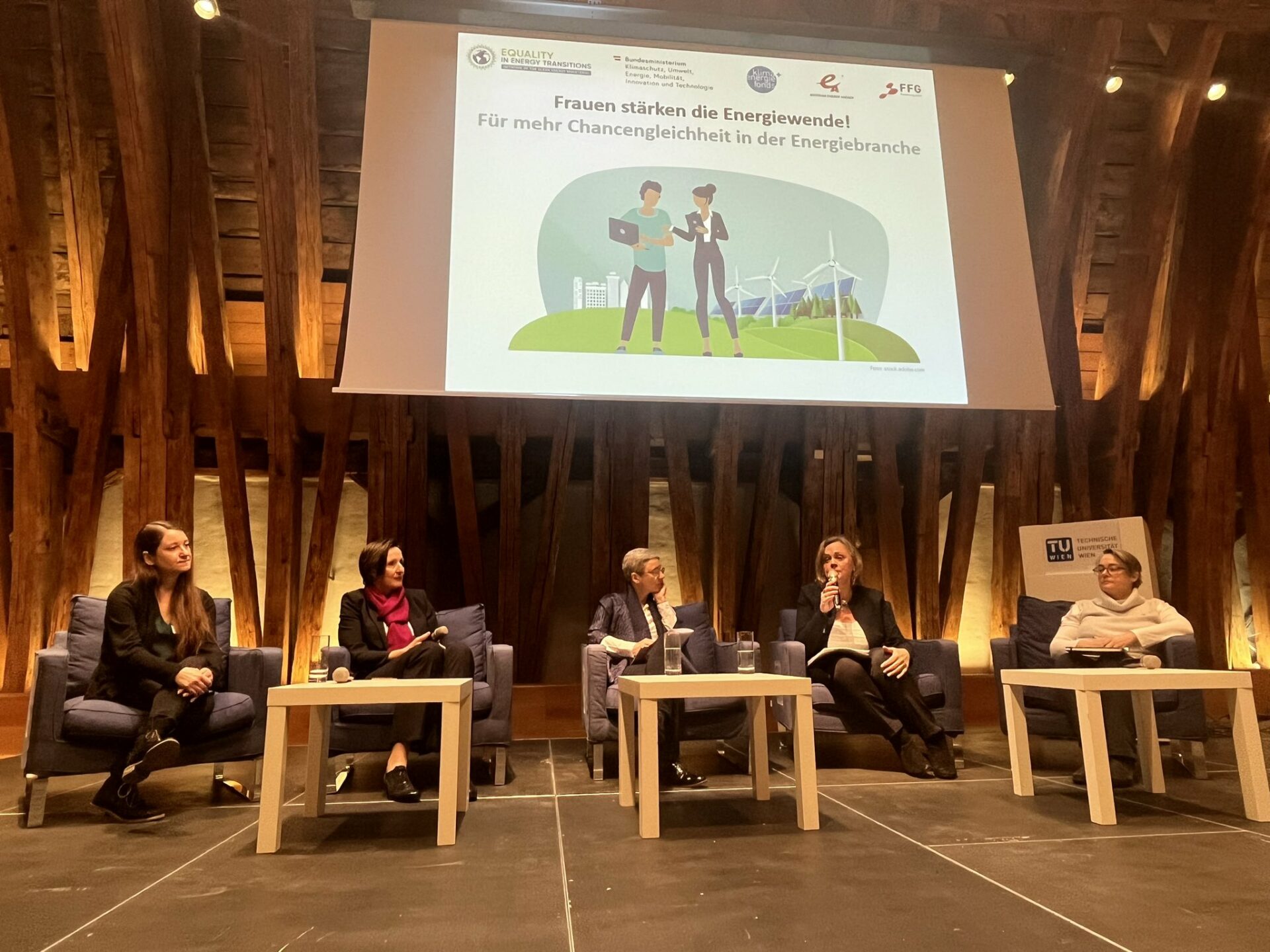
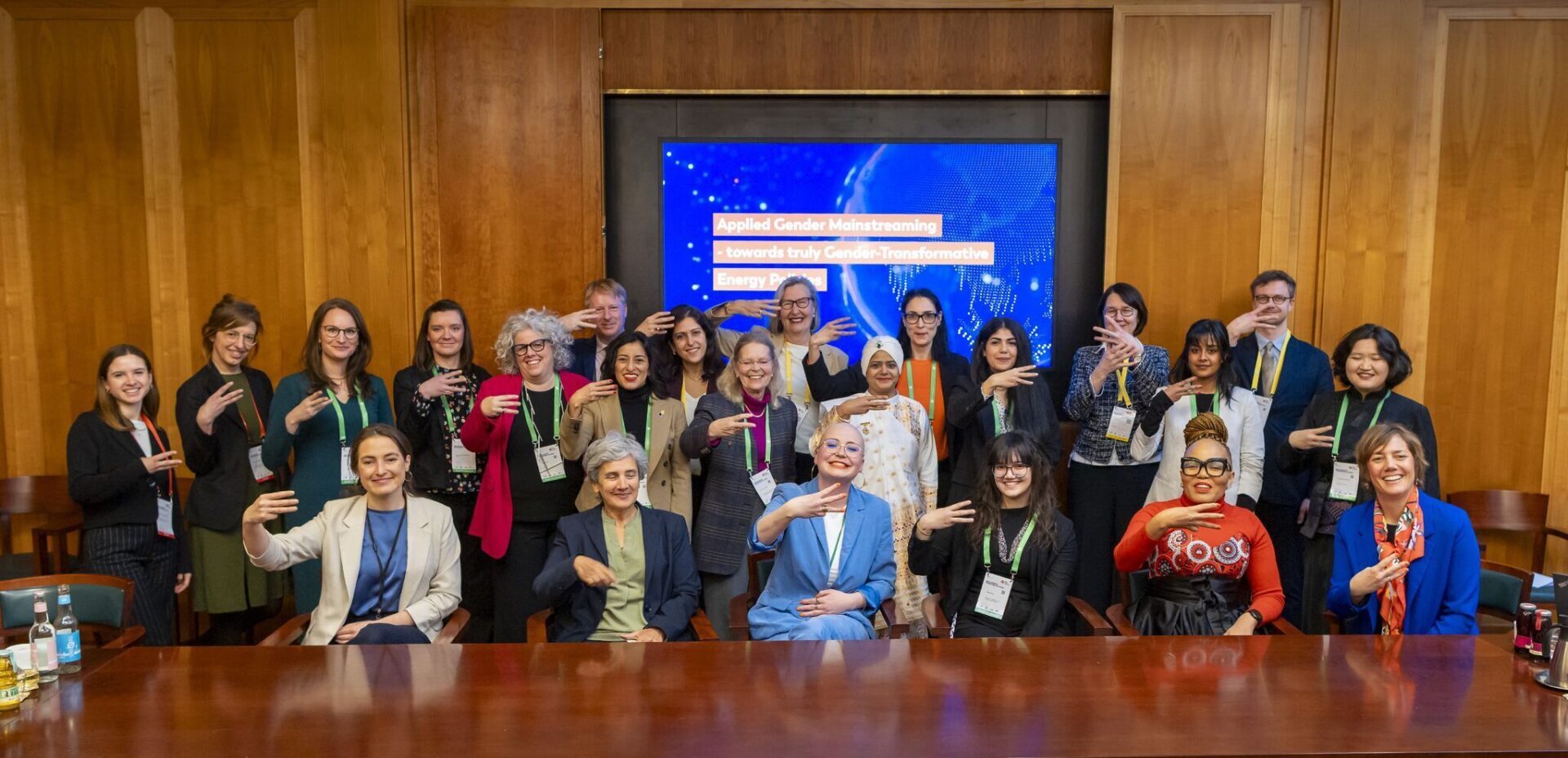
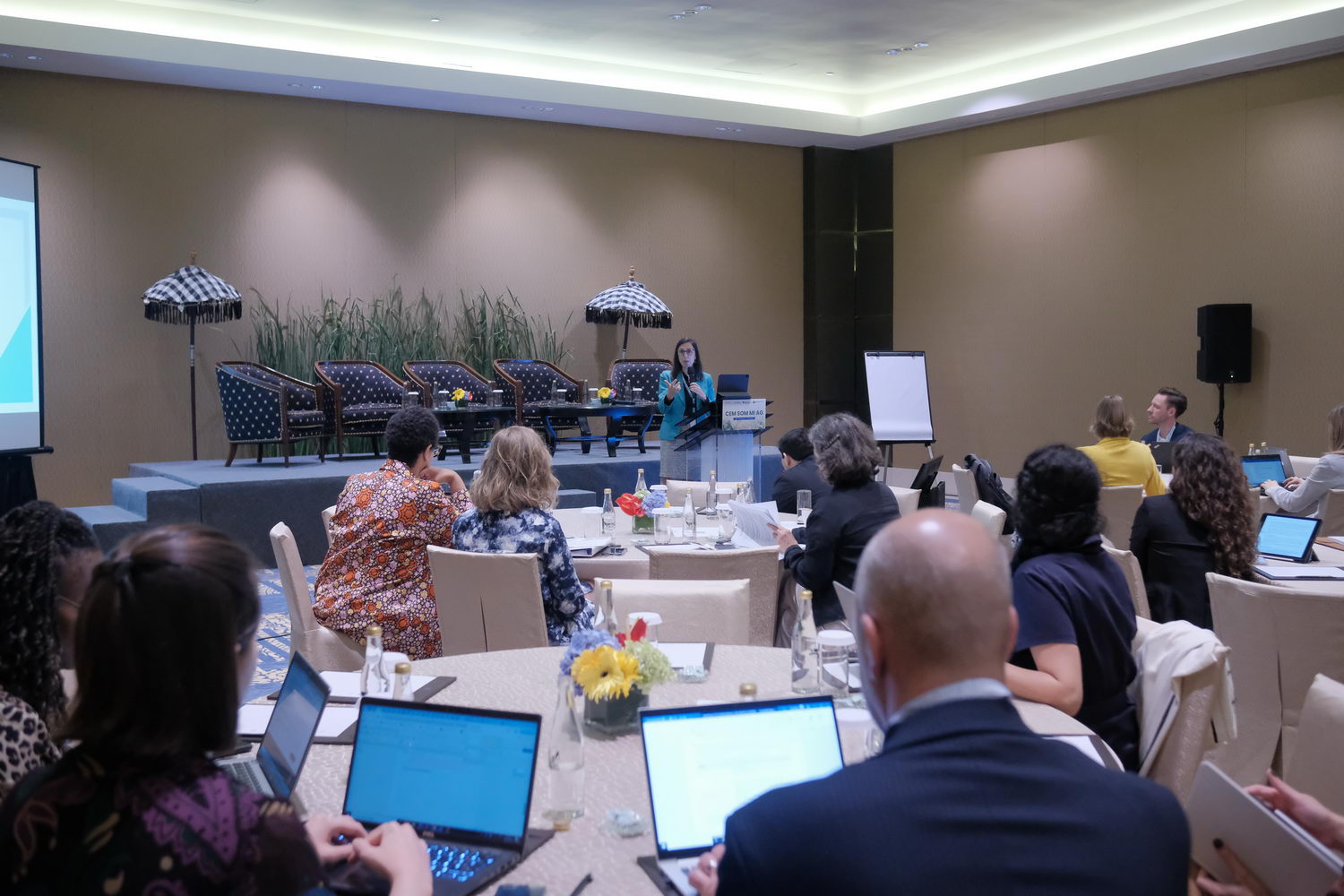
The Federal Ministry for Innovation, Mobility and Infrastructure (BMIMI) and the Austrian Energy Agency (AEA) hosted the Energy Breakfast “Energy Transition in a New Reality – Flexibility. Competitiveness. Affordability” on October 22. as part of the Equality in Energy Transitions Initiative. Twenty women experts and decision-makers from the energy sector discussed how the energy transition can succeed under changed economic and social conditions.
The discussion centred on three perspectives that are often treated separately in the debate, namely a flexible and efficient energy system, the competitiveness of the economy, and the question of how the transformation can remain affordable and accessible for people. The crises of recent years have shown how closely energy supply, economic capacity to act and social security are linked.
Flexibility as a lever, regulation as a prerequisite
The experts agreed that flexibility is one of the most important levers for the energy transition. “Many people think of flexibility only in terms of conventional storage technologies. But it is a task for the system as a whole, and its success depends on how well it fits into everyday life,” explained Angela Holzmann, Senior Expert Energy Economics at the AEA. Lisa Diamond, Scientist at the AIT Center for Technology Experience, brought the social dimension into the discussion. “The fact that flexibility is technically available does not automatically mean that everyone can use or offer it to the same extent. A flexible energy system should not mean that consumers have to constantly watch prices and adapt their daily lives.” The participants also discussed which regulatory framework conditions are needed for flexibility to become effective in practice.
Transformation takes the courage to invest
For companies, the challenge lies in the tension between short-term investments and long-term effects. Irmela Kofler, Head of Decarbonization and Sector Coupling at K1-MET, made it clear that demonstration plants are indispensable despite their high costs, because they allow new technologies to be tested under real conditions. “This is where we can gain experience, learn from successes and setbacks, and drive innovation forward.”
Sabine Mitter from the Federal Ministry for Innovation, Mobility and Infrastructure (BMIMI), Vice Chair of the Equality Initiative, emphasized, “The interesting question is not whether transformation or competitiveness is more important, but under what conditions the two can go hand in hand.”
Affordability is more than a price
The energy transition must be understandable and accessible for people and support them in putting it into practice. Christina Veigl, Head of the End Customer Department at E-Control, pointed out that consumers have very different starting points and opportunities to take part in the energy transition. Responsibility for this cannot rest with individuals alone, she said. “Not all consumers have the same opportunities to take action themselves. That is why, alongside clear information, we also need concrete support and the right framework conditions.”
Kerstin Schilcher, Senior Expert Consumer Behavior at the AEA, put the focus on the role of trust and cooperation. “The energy transition needs trust, not only among consumers but also between the institutions that shape it. Especially where interests differ, we must remain able to act together.”
Who has a seat at the table?
The discussion closed with the question of who is shaping the transformation. The figures make the need for action clear. Women make up around 24 percent of the Austrian energy sector overall, around 10 percent of top management and only about 4 percent of technical specialists.¹ Who sits at the decision-making table determines which perspectives are reflected in decisions. To attract more women to the energy sector, we should make the diversity of topics, career profiles and opportunities to shape the future more visible. At the same time, structural conditions need to be questioned and, where necessary, adapted.
Launch of the Gender Equality Compass 2026
With the launch of the Gender Equality Compass for the Energy Sector 2026 (Gleichstellungskompass Energiebranche 2026), the experiences of women in the sector are being systematically recorded for the first time. The survey consists of two linked questionnaires. Organiaztions take part through their HR managers, providing key figures on the share of women, structures and strategies. Employees (women, men and people of all gender identities) report in an anonymous survey on what supports them and what holds them back in their day-to-day work.
The results will be published in a practical, accessible format so that job profiles, working conditions and job advertisements can be designed in ways that inspire more women to pursue careers in energy. Participation is open from 22 October to 30 November 2026. Organizations and employees in the energy sector are invited to take part. HR managers can submit organizational data HERE, and the employee survey is open to all staff HERE. The more voices take part, the more accurate the picture of the sector will be. The energy transition can only succeed if we work together.
About the Austrian Energy Agency (AEA)
The Austrian Energy Agency stands for sound expertise and practical solutions. We deliver reliable answers for a secure, clean and affordable energy future. We provide orientation in unstable times and show how Austria can become more independent and competitive in the long term through renewable energy, efficiency and innovative technologies.
More than 100 employees from a wide range of disciplines provide science-based advice to policymakers, businesses, public administration and international organizations. They support them in transforming the energy system and in implementing measures for a successful energy transition and industrial transformation.
On behalf of the federal government, the Austrian Energy Agency also implements the climate protection initiative klimaaktiv.
The federal government, all federal provinces, major companies in the energy and transport sectors, interest groups and scientific organizations are members of the agency, and have been since 1977.
In the Petajoule podcast, experts from the Austrian Energy Agency answer questions about the energy future together with guests from the energy sector.
This piece was translated from the German post “Energiewende zusammendenken: Flexibilität, Wettbewerbsfähigkeit und Leistbarkeit” published by the Austrian Energy Agency. Read the original recap here.