The 17th Clean Energy Ministerial (CEM17), hosted by the Kingdom of Saudi Arabia from October 11 to 13, 2026, convened under the theme “Inspiring Transformations to Deliver Regional Transitions.” In light of severe travel disruptions across the region, the Ministerial was delivered in a virtual format at short notice. The meeting nonetheless provided a valuable platform for the CEM community to showcase the results of its collaboration, and it reaffirmed that energy transitions must be inclusive and people-centered if they are to deliver lasting benefits. For the Equality in Energy Transitions Initiative, CEM17 marked several significant milestones.
A New Toolkit on Gender Inclusivity in Southeast Asia
We are pleased to announce the release of Gender Equality and Inclusivity in Southeast Asia’s Energy Workforce, a new toolkit developed under the Initiative with the support of the Tara Climate Foundation. The toolkit was recognized by member countries during the CEM17 Plenary, with Indonesia in particular commending its contribution to the region.
The toolkit is intended to place gender inclusivity at the heart of Southeast Asia’s clean energy transition. Building on ASEAN’s existing commitments on gender and energy, notably the ASEAN RE-Gender Roadmap and the ASEAN Plan of Action for Energy Cooperation (APAEC) 2026–2030, it examines the barriers that constrain women’s participation across the full career pipeline, from education and recruitment through retention and advancement into leadership. On this basis, it sets out strategic actions tailored to five key stakeholder groups.
- Governments and regulators
- Companies and employers
- Educational and training institutions
- Regional, multilateral, and development organizations
- Professional networks, NGOs, and grassroots initiatives
Each set of actions is structured around a common four-phase framework, enabling users to identify their own starting point and trace each barrier to the measures best suited to address it. The toolkit is being profiled at leading international forums, including COP31, as well as at regional and national events across Southeast Asia.
Flashback: Insights from the Region
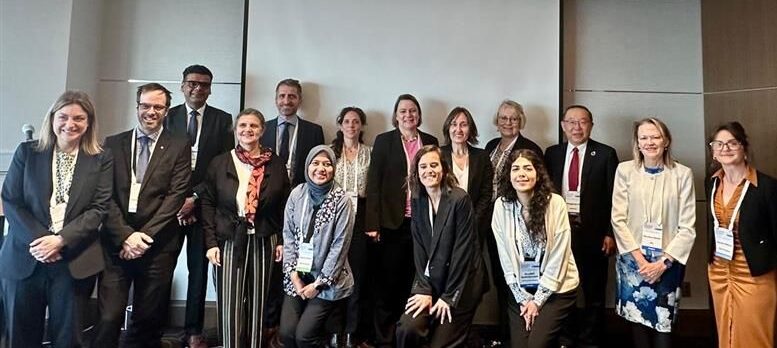
The toolkit is grounded in regional expertise. During ASEAN Energy Gender Week 2026 in Manila, convened under the Philippines’ ASEAN Chairship, the Initiative co-organized a full-day workshop on Driving Gender Equality and Inclusion in Energy Employment, together with the Clean Energy Ministerial, the Tara Climate Foundation, and the ASEAN Centre for Energy (ACE).
The workshop brought together representatives from government, regional organizations, industry, and civil society to examine the structural barriers that continue to limit women’s access to, participation in, and leadership within the energy sector. Discussions underscored the value of an intersectional perspective, the need for robust data and evidence to monitor progress, and the importance of practical accountability mechanisms in translating commitments into implementation. These insights, complemented by regional research and partner consultations, directly informed the development of the toolkit. Further details are available in our article on the workshop.
2026 Equality in Energy Transitions Awards
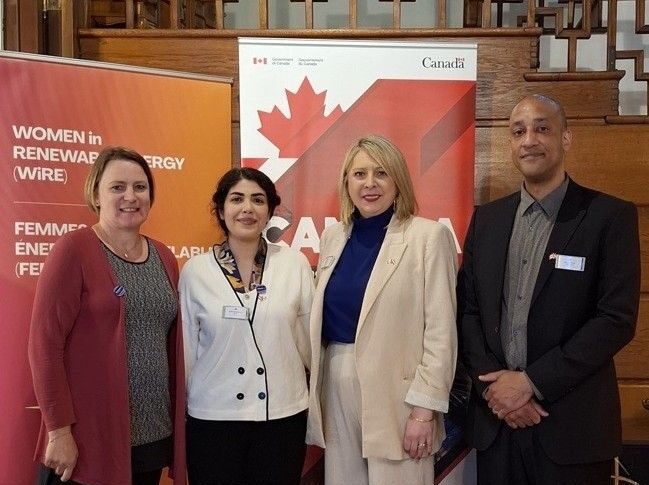
The Equality in Energy Transitions Awards, presented in partnership with Natural Resources Canada and Women in Renewable Energy (WiRE), honor organizations and individuals who have demonstrated exceptional leadership in advancing gender equality, diversity, and inclusion in the clean energy sector. In light of the revised CEM17 format, this year’s award recipients will be formally celebrated at a later date. In the meantime, we extend our warmest congratulations to the 2026 winners and runners-up.
Organizational Award
- Winner – Student Energy (Canada)
- Runner-up – PT TBS Energi Utama Tbk (Indonesia)
Emerging Leader Award
- Winner – Sara Alkhoori (UAE)
- Runner-up – Omaira Jajbhay (South Africa)
Woman of Distinction Award
- Winner – Ina Colombo-Youla (France)
- Runner-up – Tracy Primeau (Canada)
A complete overview of the Awards and all other CEM17 announcements is available in the CEM17 Outcomes Document on the Clean Energy Ministerial website.
Launch of the Empowering Society Task Force
CEM17 also marked the launch of the Task Force on Empowering Society, announced by Canada and the European Commission with the support of Sustainable Energy for All (SEforALL), the European Youth Energy Network (EYEN), and Student Energy. The Task Force seeks to integrate people-centered strategies more fully into the broader CEM energy dialogue, enabling countries and organizations to deliver energy transitions that are sustainable, equitable, and responsive to local contexts while fostering the workforce of the future. It is envisioned to evolve into a full Action Agenda at CEM18.
The Task Force will build on the substantial body of work on people-centered transitions led by the Equality in Energy Transitions Initiative, the CEM Empowering People Initiative, and the CEM Campaign on Sustainable Lifestyles, Fairness and Access to Clean Energy Technologies, with a focus on priority themes identified by CEM members. The Initiative is proud to be part of this effort and looks forward to contributing its expertise on gender equality and inclusion. Canada has extended an invitation to interested countries, workstreams, and organizations to join.