Gender equality, diversity, and inclusion are essential to delivering a just and sustainable energy transition. While momentum is growing across the energy sector, structural barriers continue to limit equal access, participation, and leadership opportunities. An intersectional approach remains key to understanding how overlapping social factors shape experiences in the workforce and influence progress toward a fair energy transition.
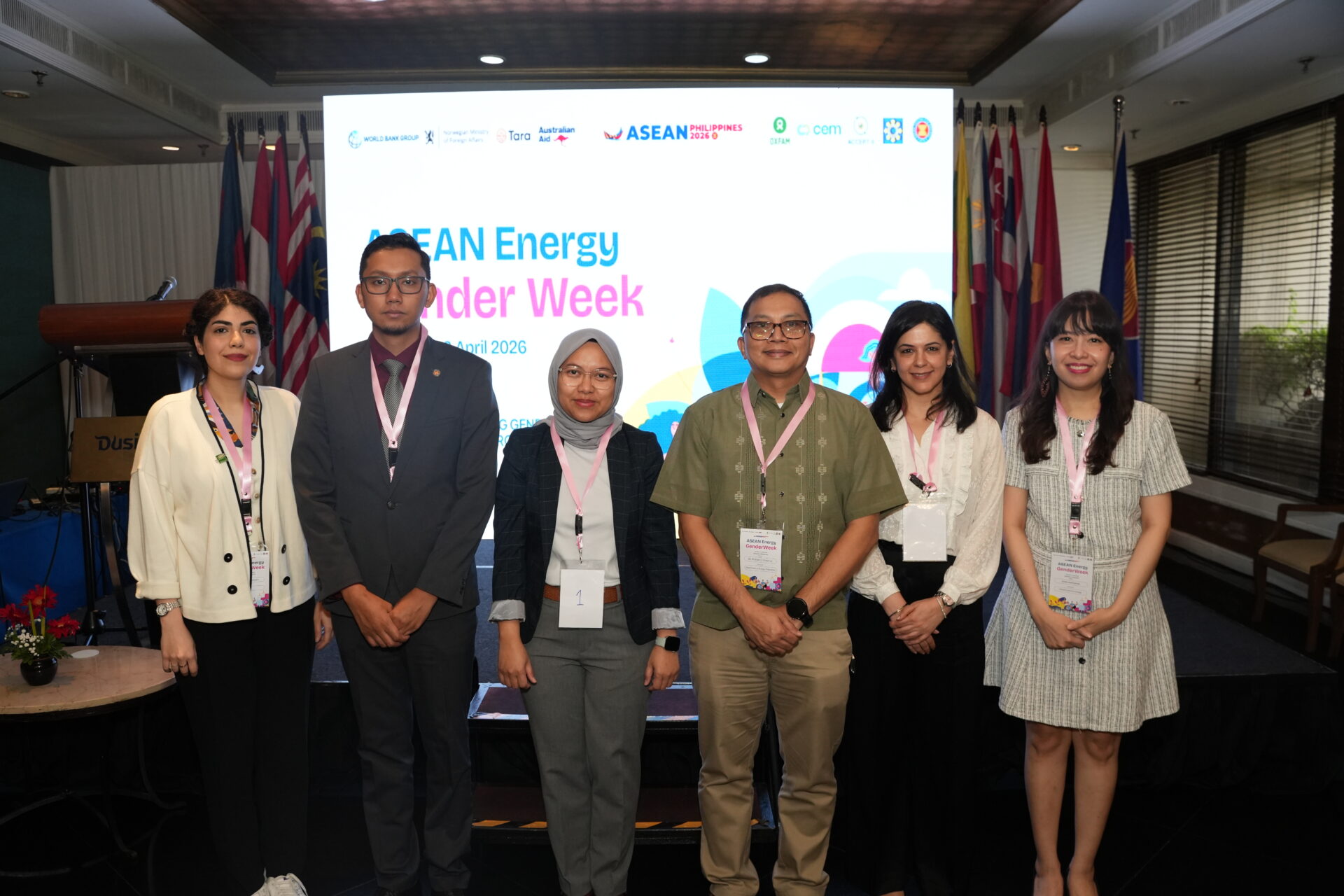
ASEAN Energy Gender Week 2026 brought together stakeholders from across Southeast Asia and beyond to exchange perspectives on how to strengthen inclusive energy policy and workforce development. Over four days, governments, regional organisations, industry, civil society, and development partners explored practical pathways to move from commitments to implementation.
A key feature of the programme was the workshop Driving Gender Equality and Inclusion in Energy Employment, co-organised by the Clean Energy Ministerial (CEM) and the Equality in Energy Transitions Initiative, the Tara Climate Foundation, and the ASEAN Centre for Energy (ACE). The session focused on embedding Gender Equality, Disability and Social Inclusion (GEDI) into energy workforce strategies and policy frameworks.
The Equality Initiative contributed actively by bringing global experience on inclusive energy transitions and connecting regional discussions with international frameworks such as Equal by 30. Its input focused on strengthening implementation approaches, including the use of measurable indicators, peer learning, and practical tools to support accountability and delivery.
The Equality Initiative also highlighted the importance of robust data and evidence to guide decision-making, track progress, and identify remaining gaps in participation and career progression in the energy sector.
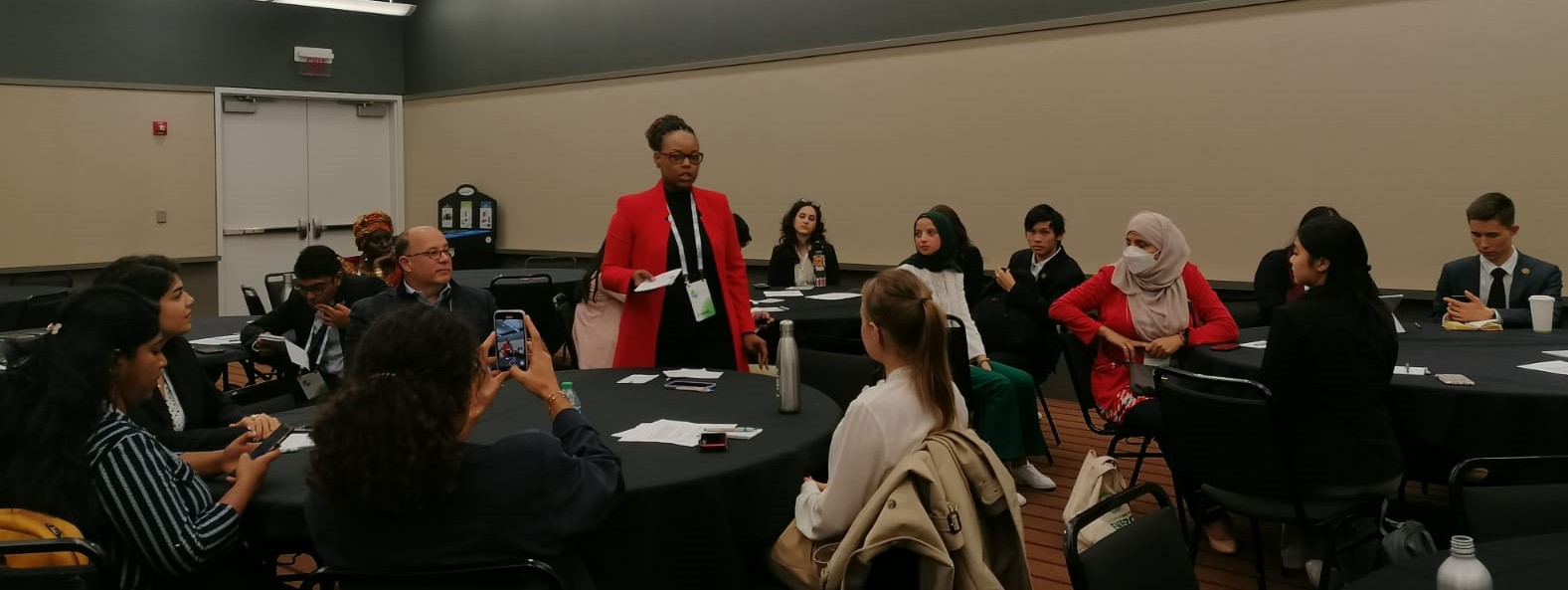
Through a mix of presentations and interactive group discussions, participants examined key barriers to women’s participation in energy, shared good practices, and co-developed ideas for a practical toolkit to support more inclusive workforce development across the region.
The workshop reinforced a shared message: turning inclusion commitments into impact requires coordinated action, strong evidence, and practical tools to support implementation across countries and institutions.